

How Talent Buying Software Solves Promoter Pain Points
The right talent buying software turns booking chaos into streamlined operations, letting promoters focus on putting on great shows.
- Manual workflows cost promoters hours each week on tasks that should take minutes.
- Settlement errors, double-bookings, and lost communications eat into margins and damage agent relationships.
- Integrated event management tools eliminate redundant data entry across disconnected systems.
Stop treating software as an expense; start treating it as the operational backbone that lets you scale.
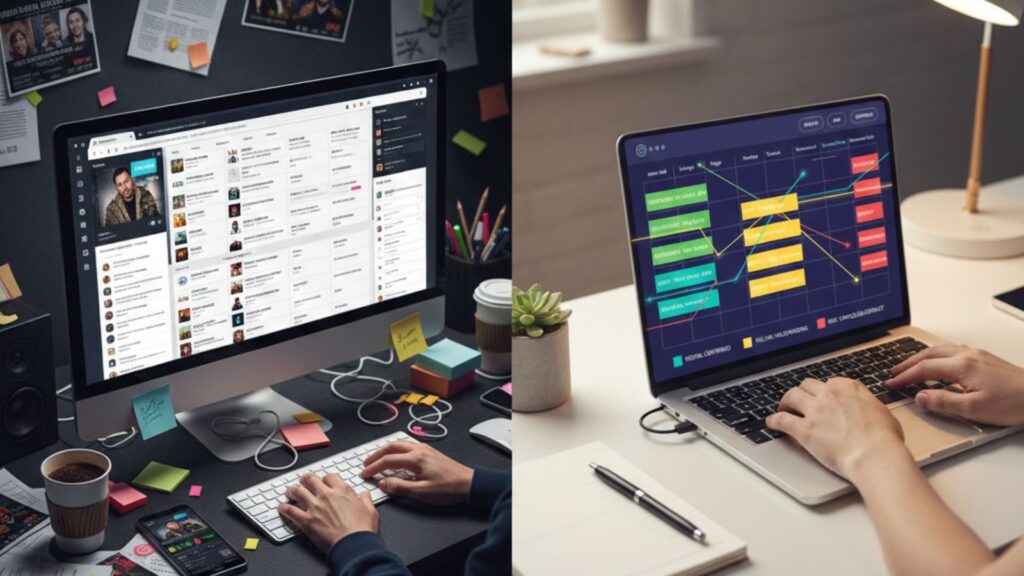
Every promoter knows the feeling. You’re juggling 47 open browser tabs, three different spreadsheets, and a chain of emails that stopped making sense two weeks ago. An agent is asking about a hold you forgot to update. Your settlement numbers don’t match the ticketing report. And somewhere in all that noise, there’s a show that actually needs your attention.
This is the reality for promoters still running their businesses on disconnected systems. Live music revenue will exceed $55 billion globally by 2035, which means more shows, more competition, and more complexity. The promoters who thrive in this environment won’t be the ones working harder. They’ll be the ones working smarter withtalent buying software that actually understands their workflow.
What Is Talent Buying Software, and How Does It Help Event Promoters?
Talent buying software is purpose-built technology designed for the specific needs of concert promoters, talent buyers, and live music venues. Unlike generic event planning platforms or basic CRM tools, this category of live music software handles the unique complexities of booking artists: percentage deals, co-promotion splits, hold management, settlement calculations, and the back-and-forth negotiations that define every show.
Promoters don’t operate like corporate event planners. A wedding venue can book six months out with fixed pricing and standardized contracts. A promoter might have three competing holds on the same date, a deal structure that changes based on ticket sales, and a settlement process that involves reconciling numbers across ticketing platforms, bar sales, and merchandise splits.
Generic tools force you to create workarounds. Talent buying software was built from the ground up for how you actually work.
Which Pain Points Does Talent Buying Software Eliminate?
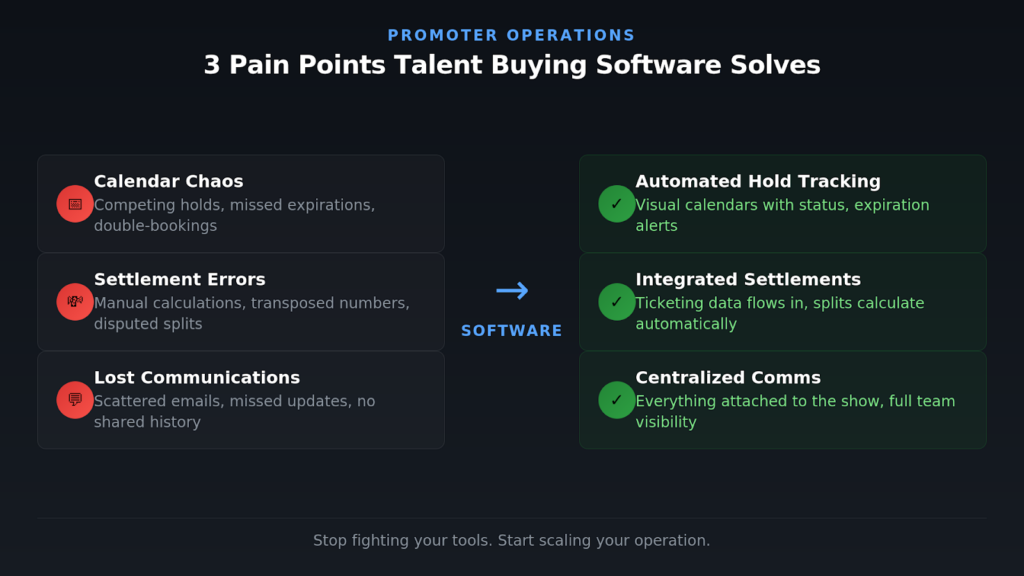
Promoters face operational headaches that compound over time. What starts as minor friction becomes a major drain on productivity, profitability, and professional relationships.
Calendar Chaos and Hold Management Nightmares
The hold-to-confirm workflow is fundamental to talent buying, yet most tools completely ignore it. Promoters routinely manage multiple holds on the same dates, each with different artists, deal structures, and expiration timelines. When this lives in spreadsheets or email threads, things fall through cracks.
Event booking software designed for live music automatically tracks holds. You see at a glance which dates have competing holds, which ones are about to expire, and which shows have moved to confirmed status. No more accidentally letting a hold lapse. No more embarrassing conversations with agents about dates you forgot to release.
Settlement Errors That Cost Real Money
Manual settlement processes are error-prone by design. You’re pulling numbers from ticketing reports, cross-referencing expenses, calculating splits, and hoping everything adds up. One transposed number or missed expense line can throw off the entire calculation, and those errors directly impact your bottom line or your relationship with the artist.
Talent buying software automates the math. When your ticketing platform integrates directly with your event management tools, ticket sales automatically flow into settlement calculations. Expenses get logged against specific shows. Splits are calculated based on the deal terms you’ve already entered. The result is faster, more accurate settlements and fewer disputes.
Communication Fragmentation
Every show involves dozens of touchpoints: agents, managers, venue staff, vendors, and your own team. When those conversations are scattered across email threads, text messages, and phone calls, critical information gets lost. Someone misses a rider update. A routing change doesn’t reach the right person. A deposit deadline passes without action.
Centralized communication within your live music software keeps everything attached to the show it relates to. Your team sees the full history. Nothing lives in someone’s personal inbox. Context is preserved even when staff changes.
What Key Features Actually Move the Needle?
Not every feature in event management tools delivers equal value. These are the capabilities that make a material difference in promoter operations:
- Integrated calendars with hold status: Visual calendar views that distinguish between holds, pending offers, and confirmed shows across all your venues and dates
- Deal structure flexibility: Support for flat guarantees, percentage deals, versus arrangements, and hybrid structures without requiring manual workarounds
- Co-promotion management: Built-in tools for tracking co-pro splits, partner earnings, and reconciliation when multiple promoters share a show
- Automated financial tracking: Real-time P&L visibility that updates as tickets sell and expenses post
- Document management: Centralized storage for contracts, riders, and settlement sheets attached to specific events
- Mobile access: Full functionality from your phone because promoter work doesn’t happen at a desk
- Reporting and analytics: Insights into show performance, artist profitability, and operational trends over time
The best talent buying software connects these capabilities into a coherent workflow where data automatically flows between functions.

How Do Event Management Tools Integrate Your Entire Operation?
The real power of modern event booking software comes from integration. Standalone tools create data silos. Integrated platforms create operational leverage. The event management software market is projected to reach $17.33 billion by 2030, with cloud-based solutions holding over 63% of the market share. That dominance reflects a strong trend toward connected, integrated platforms.
Think about how information flows through a typical show. You negotiate terms with an agent. Those terms need to inform your financial projections. Ticket sales from your ticketing platform need to update those projections in real time. Expenses need to post against the show budget. At settlement, all of that data needs to come together accurately.
When your event management tools integrate with ticketing platforms, you eliminate manual data transfer. Sales update automatically. Financial reports stay current. Settlement prep takes minutes instead of hours.
The same logic applies to accounting integration. When your live music software connects with QuickBooks or Xero, show financials sync to your books without duplicate entry. Your accountant sees accurate numbers. Your tax prep gets simpler. Your operational data becomes your financial data.
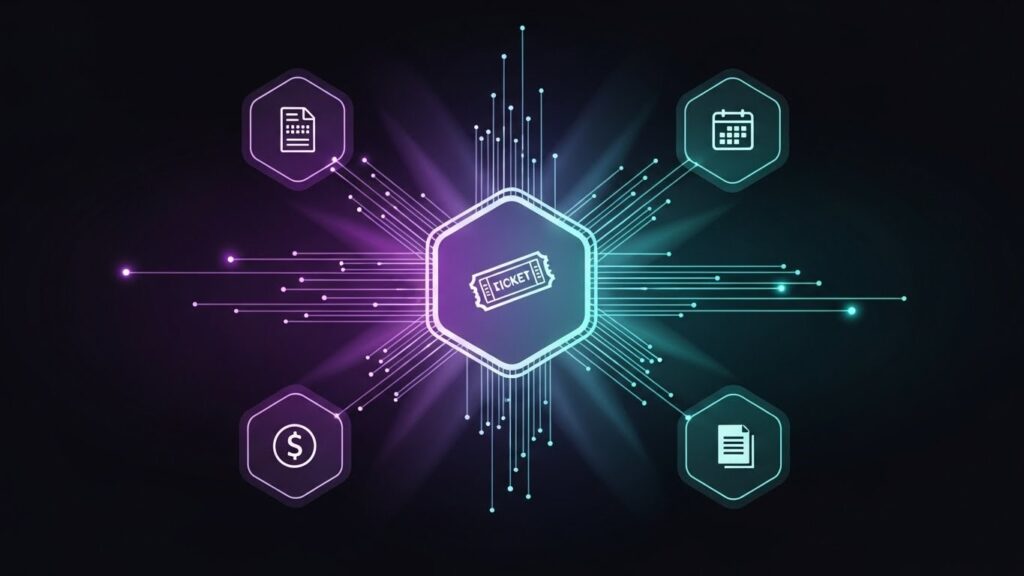
This kind of integration is what separates professional-grade talent buying software from tools that just create more work in different places.
How Should You Choose the Right Live Music Software for Your Operation?
Every promoter’s operation is different. A regional promoter booking 50 shows per year has different needs than a national player managing hundreds. An independent venue with a single room has different requirements than a company operating multiple spaces.
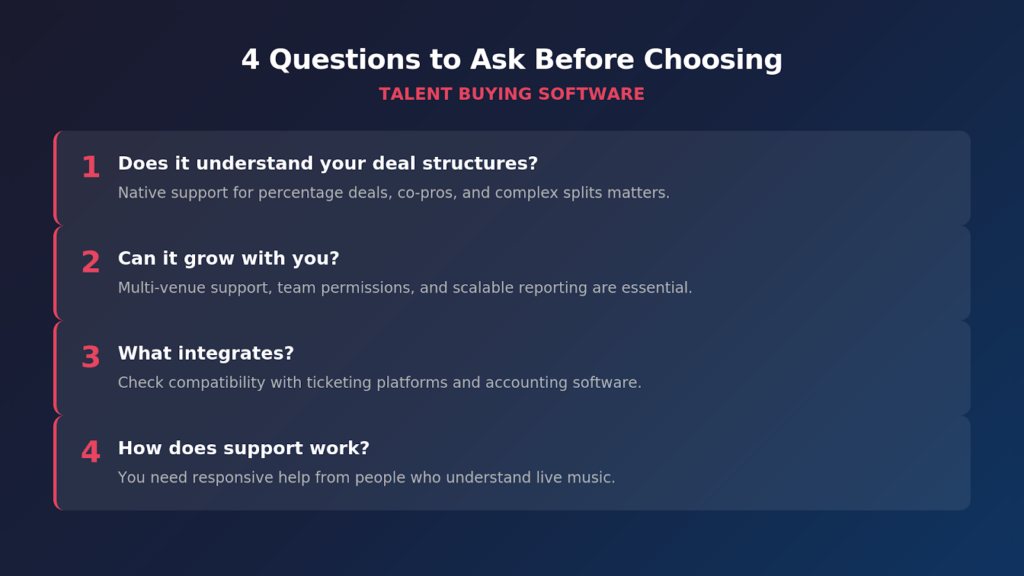
When evaluating event booking software, consider these questions:
Does it understand your deal structures? If you regularly do percentage deals, co-pros, or complex splits, the platform needs native support for those arrangements. Forcing them into flat-fee templates creates ongoing friction.
Can it grow with you? A platform that works for 30 shows might choke at 100. Look for software that scales, whether that means multi-venue support, team permissions, or reporting that handles larger datasets.
What integrates? Check compatibility with your existing ticketing platform, accounting software, and any other tools your team relies on. Integration depth matters as much as integration presence.
How does support work? Live music operates on tight timelines. When something breaks before a show, you need responsive help from people who understand the industry, not generic customer service.
The promoters who successfully streamline their operations adopt software that fits how they actually work.
FAQ
What is talent buying software? Talent buying software is designed for concert promoters, talent buyers, and live music venues. It handles industry-specific workflows like hold management, percentage-based deals, co-promotion splits, and automated settlements that generic event planning tools can’t support natively.
How does event booking software differ from generic CRM platforms? Generic CRMs are built for sales pipelines and customer relationships. Event booking software designed for live music handles the complexity of show workflows: competing holds, flexible deal structures, integrated ticketing data, and settlement automation. The difference is whether you’re adapting your workflow to the tool or the tool adapting to your workflow.
What should promoters look for when choosing live music software? Focus on integration capabilities (ticketing, accounting), native support for your typical deal structures (percentage deals, co-pros), scalability as your operation grows, and responsive support from people who understand the industry.
Make Your Booking Process Work for You
The live music industry is growing, and that growth brings complexity. More shows, more artists, more data, more opportunities for things to go wrong. The promoters who scale successfully build operational systems that can handle that complexity without requiring proportionally more hours or staff.
Talent buying software lets you book more shows, settle faster, communicate more clearly, and actually enjoy the work you got into this industry to do.
Prism was built by live music veterans who understand these pain points firsthand. Stop fighting your tools and start focusing on what matters. Get started with Prism and see what streamlined operations actually look like.

Matt Ford is the founder and CEO of Prism.fm, a platform built to help the live music industry operate with more clarity and confidence. After 15+ years running venues, producing festivals, and promoting shows, Matt saw firsthand how much of the business relied on fragmented tools and guesswork. He founded Prism in 2018 to change that.
Today, Prism powers more than 3,000 venues and 330 organizations nationwide, serving as an all-in-one platform designed to streamline operations by replacing cumbersome spreadsheets with integrated tools for booking, financial tracking, and contract management. Matt has also led the development of Insights, Prism’s demand prediction platform, which uses real, verified ticketing data to help teams better understand artist performance and make smarter decisions before committing to a show.
Related Post
Managing Complex Event Schedules with PAC Management Software
Performing arts centers juggle more scheduling variables than any other venue type, yet most still rely on methods that guarantee chaos. If your calendar system can’t distinguish between a hard hold and a tentative inquiry,…
Choosing the Right Live Music Management Software for Your Venue
The U.S. live music market is projected to exceed $19 billion in 2026, yet many venues still manage operations with spreadsheets and disconnected systems that cost them time, money, and sanity. If your current process…
Maximizing Live Event Marketing Software for Concert Promotion
Specialized live event marketing software separates packed houses from empty rooms by giving concert promoters the data, automation, and integration they need to run smarter campaigns. If your promotional workflow still relies on disconnected platforms…